Why this project?
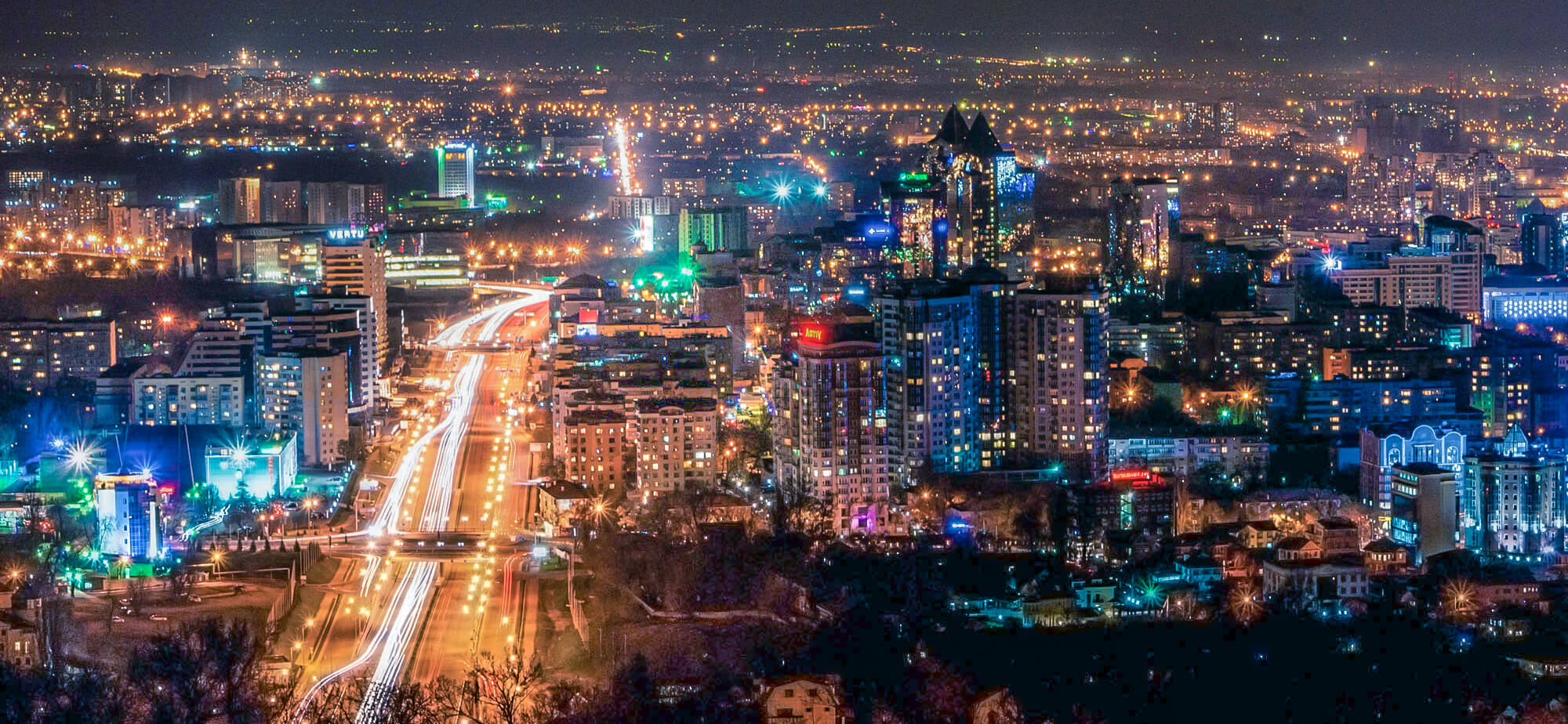
Almaty by night. Credits
I live in Almaty. And Almaty is a fantastic city to live in. I love almost everything about it, with one notable exception: the air quality in winter.
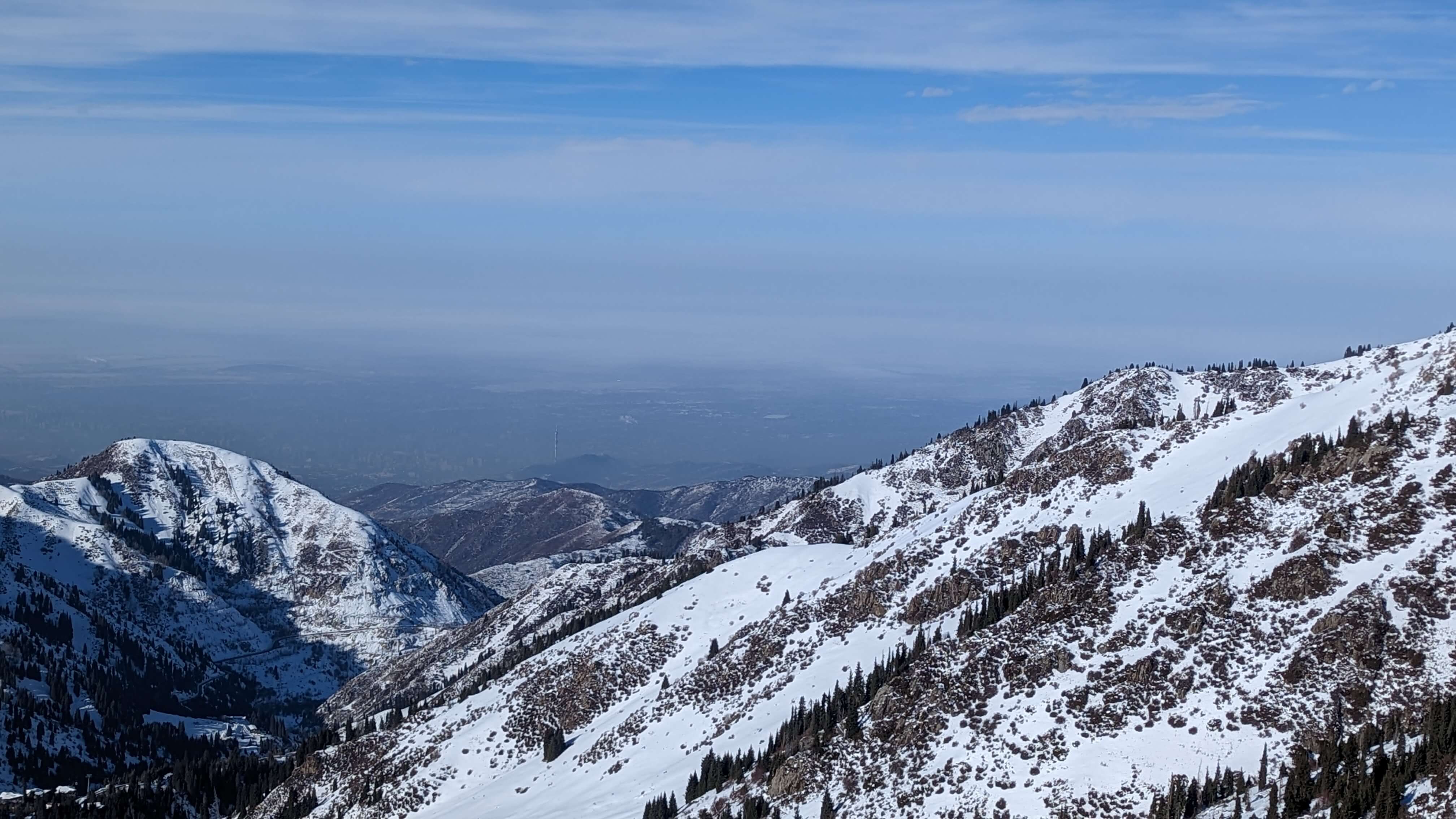
A picture of the city centre from about 1500 metres higher.
You can barely see the city through the pollution.
I started this project because I wanted an easy, reliable way to check the air quality around my home and place of work. The website is used, for example, by the people who look after my kids when I'm at work to check if it’s “safe” to play outside. I use it, as another example, to decide if I should wear a pollution mask when going outside – and if I even should go outside.
We have an air quality sensor at work, but there are occasional issues with it. Also, it refreshes values --at most-- once per hour. I needed something more reliable, easier to use and with a refresh rate that I could determine. My air quality sensor gets a fresh (or not so fresh) reading every 3 minutes.
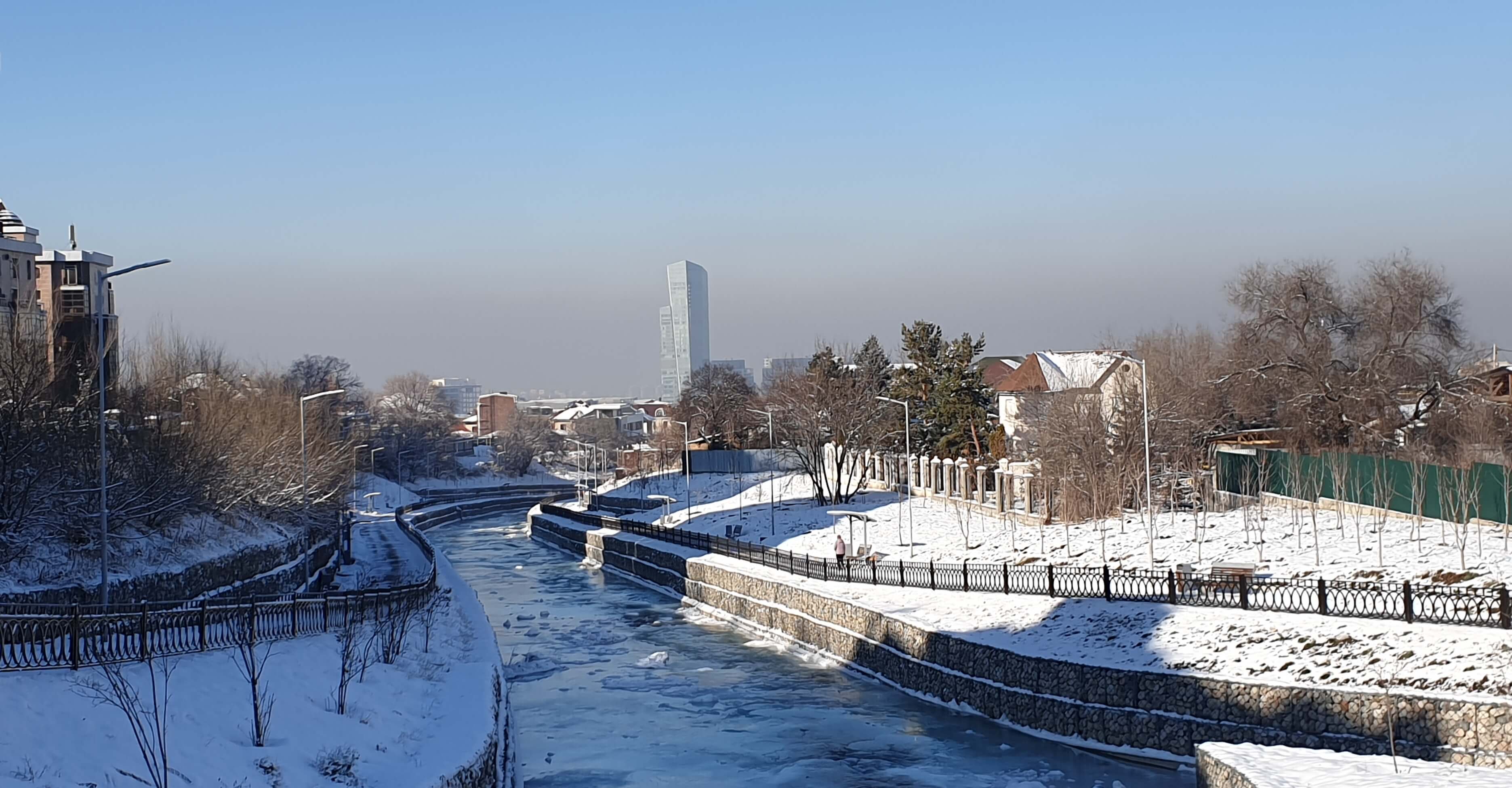
Pollution forming in the north and centre of the city and making its way to the south.
On the picture above, you can see there are (limited) benefits of living a bit ‘higher up’ the hills in the south of Almaty. The air pollution has accumilated in the city centre, but it is on its way to the south, where I live.
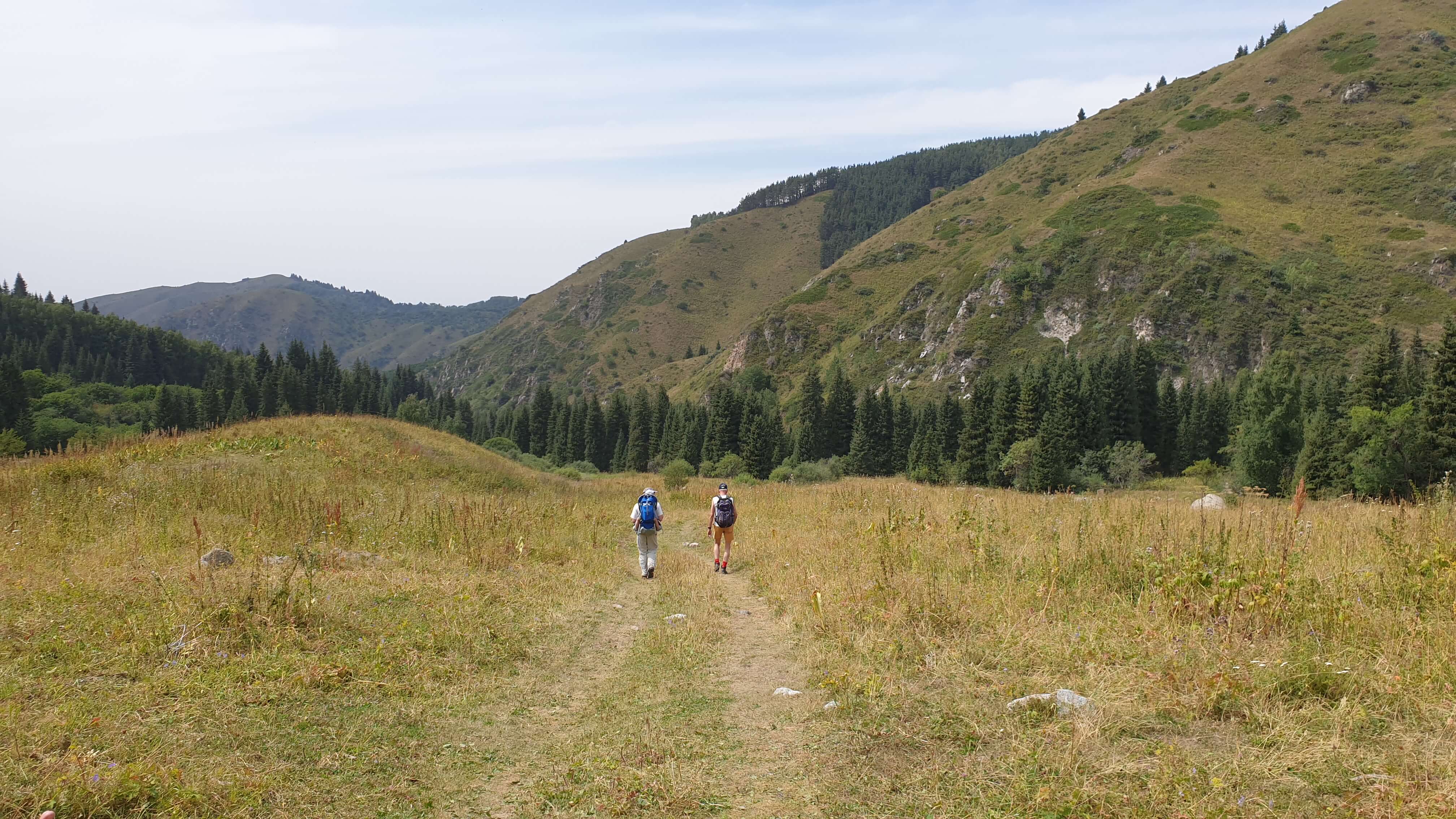
Almaty is partly surrounded by mountains on the south. These mountains are beautiful.
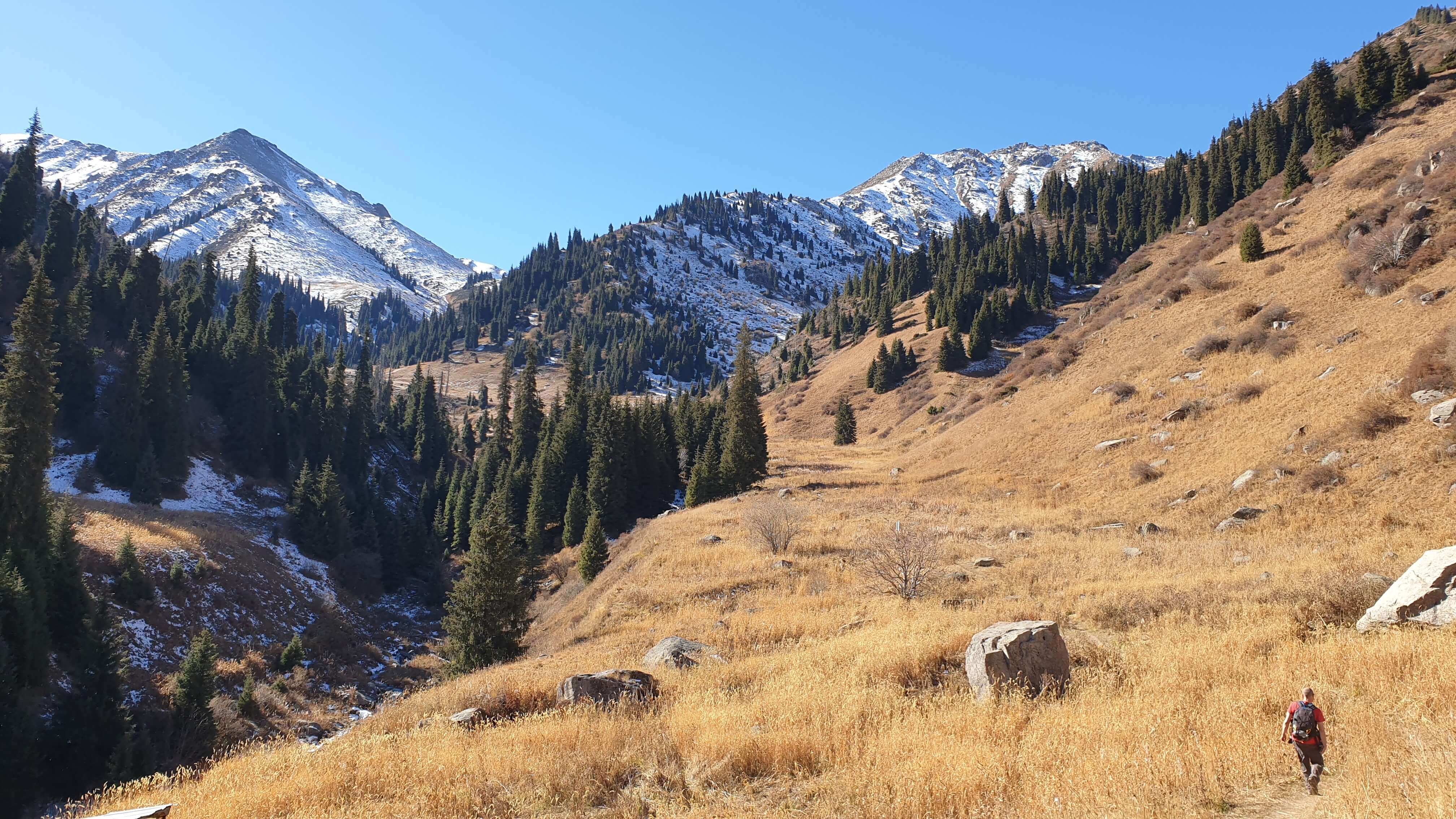
Mountains surrounding Almaty.
At the same time, they are partly responsible for the fact that air pollution cannot escape in winter, when cold air “traps” pollution exhausted by coal-fired combined heat and power plants. These power plants start providing city-wide heat every year from October onwards, as temperatures start to drop from that point. This stops around February / March.
It is not a coincidence that the air quality drastically declines during these months, and around December and January, the air quality is usually absolutely atrocious. The air quality in Almaty, at least where I live, is great the rest of year.
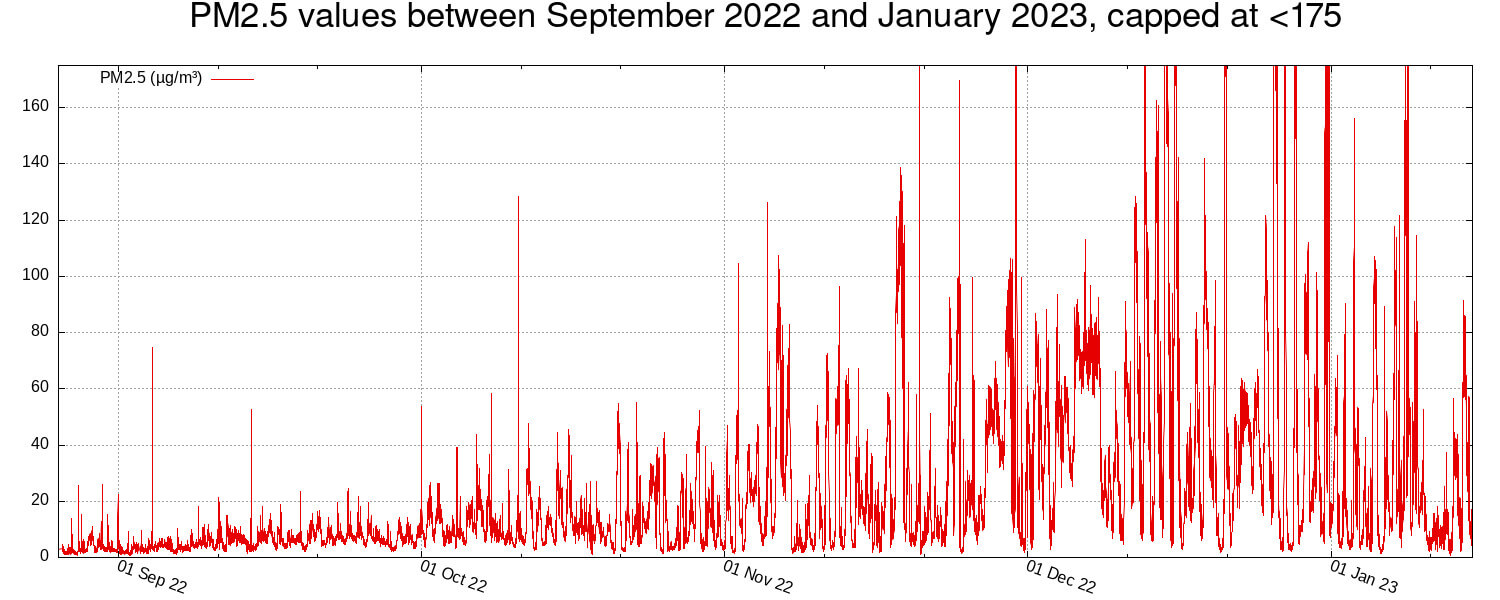
Build-up from October onwards. You can find more graphs here.
There is a very clear, recurring pattern. I have established this three years in a row using my own air quality sensors, and verified my findings using readings from other sensors in the area. You can find graphs with sensor readings from the last ~2 years here.
Almaty is working hard to make the switch to an (arguably) lesser evil: natural gas (gas is less carbon-intensive than coal). There are claims that natural gas is the cleanest of fossil fuels. There is some evidence that transitioning from coal to gas can significantly improve the air quality.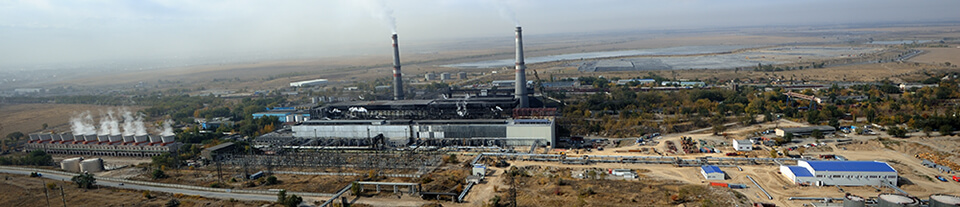
A power plant in Almaty. Credit and copyright.
Of the three main power plants (Almaty-1, Almaty-2 and Almaty-3), one has already completely switched to using natural gas. The other two are slated to follow but not expected to do so any time before 2024 or 2025 - and even that is probably a very optimistic estimate. Of course, it would be much better if Almaty, Kazakhstan or the whole world would transition to green energy… but with Kazakhstan being so rich in natural resources, that (unfortunately) might take a while.
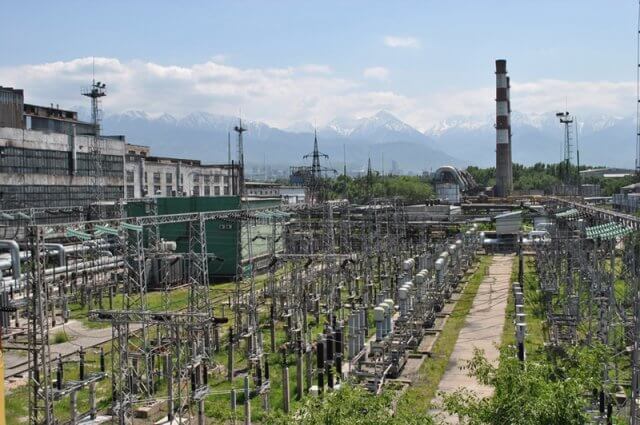
Almaty-1 power station. Credit and copyright
Almaty-1 power station is a gas-fired combined heat and power station. It is the first of the three main power plants that has already completely switched to using natural gas.
⟵ |
⟶ |